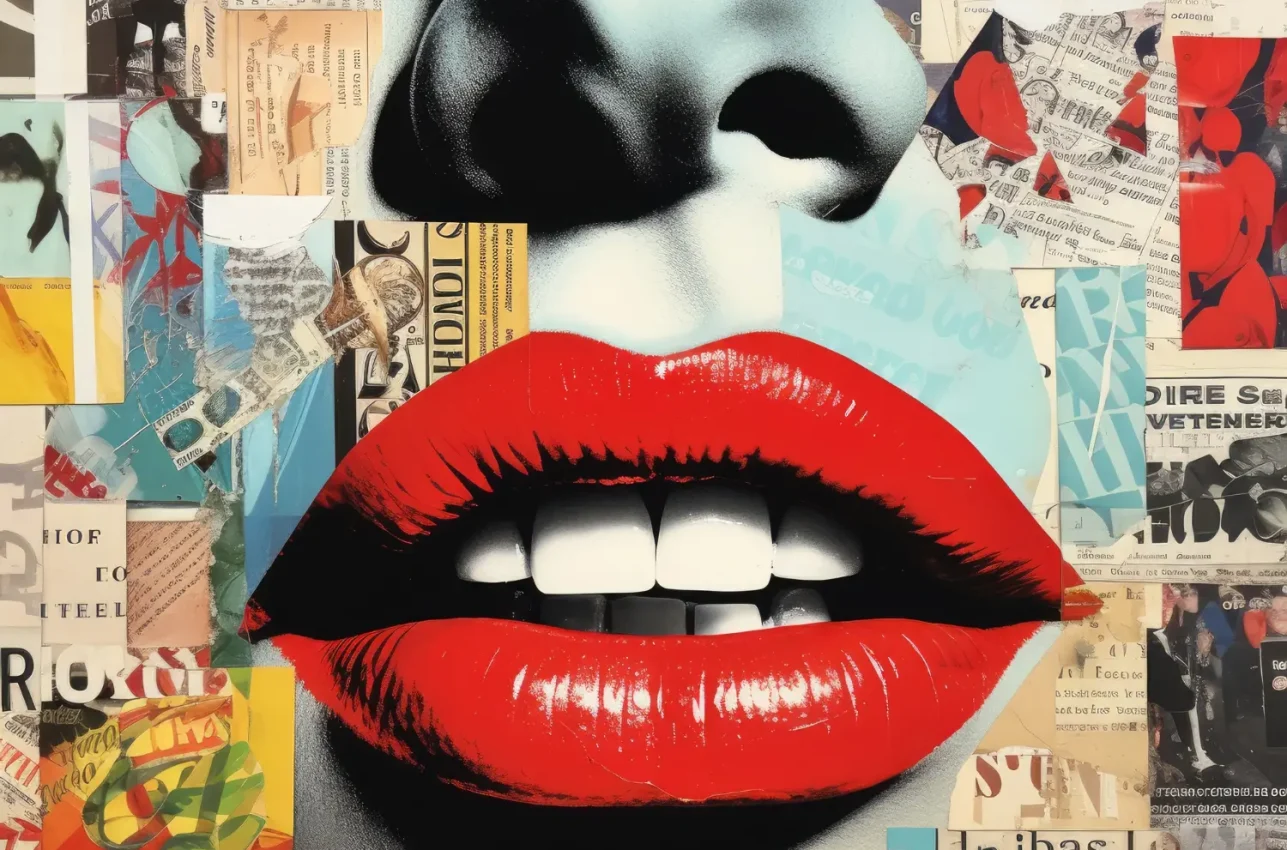
As beauty aficionados, we have one forever muse – Marilyn Monroe.
The glitzy icon shaped beauty in ways that will always be iconic – a red lip, Chanel No. 5, and a perfect blowout. Fun fact: Marilyn Monroe had a dermatologist-prescribed skincare routine – Vaseline as a base before heavy makeup, SPF, and double cleansing as we know it today.
By today’s standards, she was doing everything right.
And yet, also by today’s standards, it would not be enough. It would need to be optimised for her skin type, the climate, her hormonal cycle and stress levels. This is what toxic productivity looks like when it moves into beauty.
What toxic productivity looks like in a beauty routine
Toxic productivity is an unhealthy, compulsive drive to constantly achieve, often at the expense of mental and physical health. Originally emerged from workplace culture, it is characterised by an inability to rest without guilt, and a persistent sense that doing less is falling behind.
This phenomenon has already changed how people approach food, fitness, relationships and even beauty. Trends such as “skin flooding” –layering multiple products in a specific order to maximise hydration– or 10-step skincare routines have become increasingly normalised. Patients may feel genuine anxiety when they miss a step in their skincare routine, seek more treatments in pursuit of faster results, or become frustrated when their progress does not mirror the seemingly flawless transformations they see on social media.
The underlying mindset is often the same: the belief that more is better, and that improvement should be constant and immediate. Before we tread further into dangerous territory, it may be time to rethink whether the pursuit of better skin is enhancing our lives or quietly taking over them.
When beauty becomes a chore
When skincare and aesthetics become another arena for relentless self-optimisation, the line between self-care and self-pressure begins to blur. Just as toxic productivity strips achievement of its satisfaction, it can strip beauty of its joy.
Beauty is a form of self-expression; a way of inhabiting yourself and presenting to the world who you are and how you feel. Marilyn Monroe did not apply Vaseline and Chanel No. 5 because a dermatologist optimised her evening wind-down protocol. She did it because it felt indulgent, glamorous and most importantly, because she enjoyed the ritual.
A relationship with beauty that’s personal, sensory and pressure-free is becoming increasingly difficult to access in a culture where every product must deliver measurable results and every step of a routine must be justified.
In aesthetic practice, this mindset often appears in the patient who feels compelled to correct every pore, wrinkle, or perceived imperfection. Instead of asking, “What would help me feel more confident?”, the question becomes, “What else can I improve?”
The goalpost continually shifts, making satisfaction elusive no matter how much is achieved.
Intentional beauty starts with businesses
The antidote to toxic productivity is not laziness but intentionality. In the workplace, this means prioritising meaningful work over constant busyness, measuring outcomes over activity, and recognising when enough is truly enough. In beauty, the principle is no different.
For clinics, brands, and practitioners, that shift starts with a few simple but important changes.
Consult for needs, not menus. The practitioner who begins by understanding a patient’s concerns –and is willing to recommend less or even decline unnecessary treatment– is already setting a different standard.
Name the anxiety when you see it. When a patient expresses guilt about skipping a skincare step or frustration that results are not appearing quickly enough, it may be tempting to focus on solutions. Sometimes the more valuable response is to acknowledge the pressure they are feeling, normalise it, and help recalibrate expectations around what healthy, effective care actually looks like.
Simplify publicly. In a market that has spent years encouraging consumers to do more, buy more, and treat more, there is growing value in advocating the opposite. The brands that champion thoughtful, intentional care are occupying a space that remains surprisingly under-served.
Obviously, this is harder than it sounds and requires resisting the commercial pull toward upselling. It requires a certain maturity and trusting that the patient who leaves having bought less but understood more will be worth significantly more to the practice over time. The long-term practice is built on that relationship, not on maximising each individual appointment.
Bringing joy back to beauty
Toxic productivity has already transformed how we work, eat, exercise, and measure success. It should not be allowed to redefine beauty as well. The skin is a living organ that changes with us as we age – it deserves care that is thoughtful rather than obsessive.
Healthy beauty should enhance wellbeing, not become another source of pressure, guilt, or self-worth. At its best, beauty is enjoying the process of caring for yourself. It is a luxury to look after yourself. Perhaps that is the perspective worth reclaiming.
As Marilyn Monroe once said, “A smile is the best makeup a girl can wear.”
SL Aesthetic Group is a medical aesthetic and wellness group in Singapore, comprising SL Aesthetic Clinic, SkinLab The Medical Spa, TrichoLab, PROLOGUE, and Euphie (Malaysia). We believe the decision to invest in yourself is one of the most considered choices a person can make, and we design every patient experience around that. Find out more about our brands here.