
In the same year weight loss medications became a household name, so did HYROX, running, and more recently, pilates. On the surface they appear to be complete opposites – one is a medical fast track to weight loss; the others require months of discipline and sweat.
Upon deeper reflection, these trends are not as different as they appear to be. Both reflect a broader consumer shift – where people are actively seeking better health, energy and versions of themselves, whether through medical intervention or disciplined lifestyle change.
As businesses, here’s what we can expect from this wonderful health and fitness zeitgeist and why we need to start preparing for it.
The numbers first
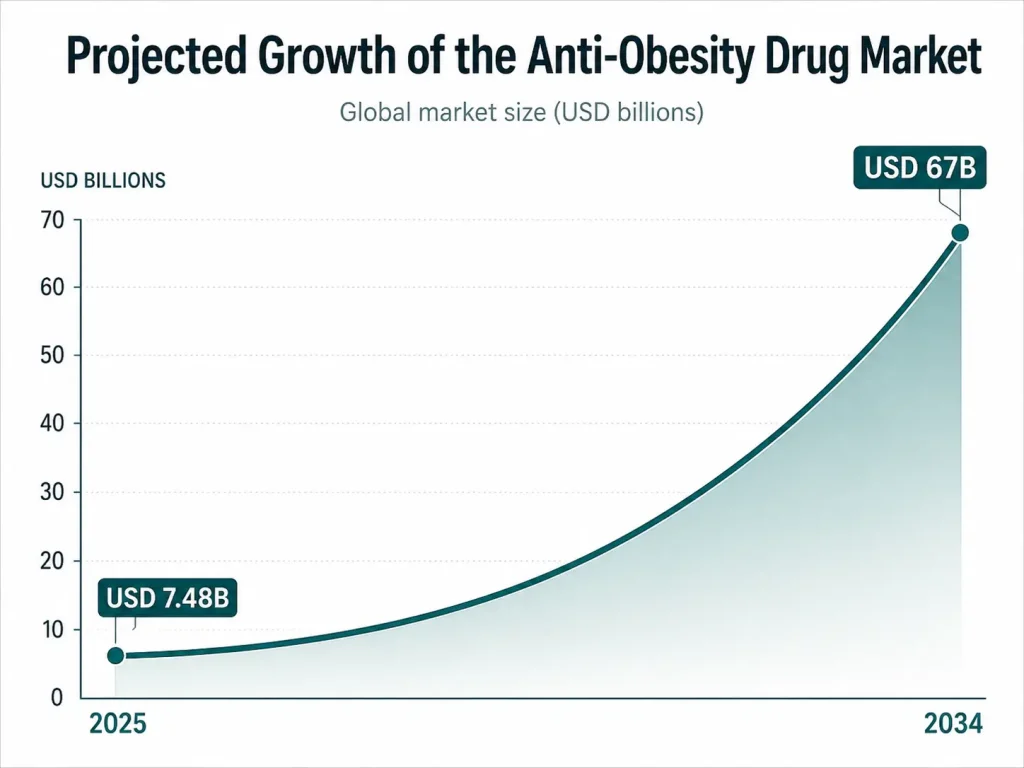
The global market for anti-obesity drugs is one of the fastest-growing pharmaceutical categories in history – it was valued at USD 7.48 billion in 2025, and projected to reach USD 67 billion by 2034. DBS analysts, too, estimate a continuous positive growth. Tellingly, 43% of consumers globally say they would consider taking anti-obesity medication if recommended by their healthcare provider – a figure that would have been unthinkable a decade ago.
The fitness industry is growing just as fast. The global health and fitness club market was valued at USD 131 billion; in Singapore alone, participant attendance for HYROX quadrupled in the last two years. Half marathon slots for Garmin Run and the Great Eastern Women’s Run 2026 are sold out; throngs of people are on waitlists to attend pilates classes; according to Sport Singapore’s National Sport and Exercise Participation Survey, the share of residents exercising weekly has jumped from 54% in 2015 to 73% in 2023.
Boutique fitness –the niche, high-commitment end of the market– is among the fastest-growing segments, with the global pilates and yoga studios market expected to grow at a CAGR of 10% through 2028.

Image courtesy of Breathe Pilates
Health and wellness is now the only major spending category where consumer intent to increase spending outweighs intent to cut back – even amid economic uncertainty. Safe to say, we are at a juncture where consumers are investing in their bodies seriously – and with real money behind it.
Different tools, same philosophy

The people reaching for weight loss medication and the people clocking 5am gym sessions are not living contradictory lives. In many cases, they are united by the same decision that health is important to them. They want to look good, feel good about themselves, and are unwilling to let their body limit the quality of their life.
This is especially true for patients on weight loss medication, most of whom are obese. In most clinical guidelines, weight loss medications are prescribed to patients with a BMI of 30 or above, or a BMI of 27 with at least one weight-related health condition like type 2 diabetes, hypertension, or sleep apnea.
As we are now starting to learn, obesity is a complex condition caused by deeply rooted psychological dimensions. Food is often used as a coping mechanism for stress, and many individuals are trapped in cycles of emotional eating. “Eat less, exercise more” is not as simple for them – hence the need for a pharmaceutical weight loss tool.
So when the needle finally moves on the weighing scale and the weight loss patient gains control over their appetite, their underlying motivation is the same as the gym bro or Pilates Princess committed to their health: I respect my body, and I will demand more from life.
When consumers upgrade their standards, industries follow

Image courtesy of Signia by Hilton Atlanta
Here’s what we know about people who actively invest in their health: they raise their standards everywhere.
When you start treating your body as a critical asset, you pay close attention to what or who has access to it – the food you eat, quality of your friendships, information you consume. You become less willing to accept mediocrity, particularly from businesses you are paying good money to and directly consuming from.
Others are already responding to this shift.
McDonald’s is testing a high-protein menu in direct response to the growing cohort of weight-loss medication users who eat less but want more nutritional density per meal. Conagra Brands and General Mills are launching smaller, “GLP-1 friendly” portion options. Closer to home, Meiji’s High Protein Milk is flying off supermarket shelves, and Milo recently launched Milo Pro, a higher protein option developed for young adults sustaining active lifestyles.
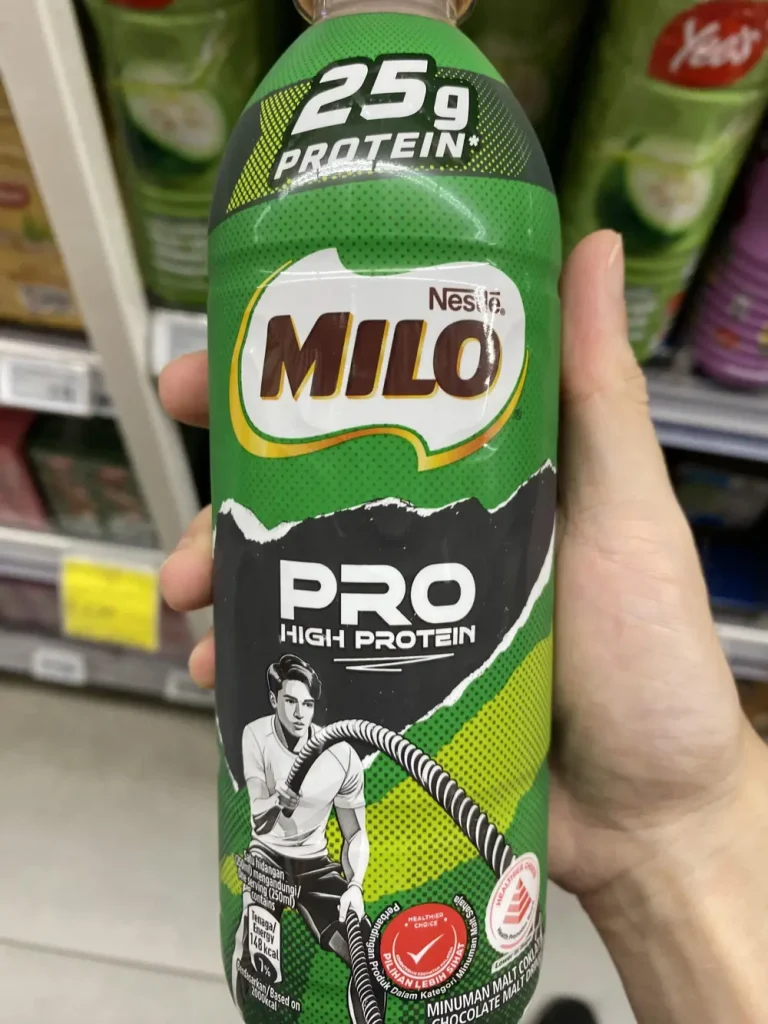
Image courtesy of Reddit (r/SingaporeFitness)
Hospitality is moving in the same direction. The Signia by Hilton Atlanta dedicated an entire floor to wellness amenities; Accor is integrating nonsurgical aesthetic procedures –including lasers– into hotel spa offerings, expecting such services to “become mainstream”; Six Senses Alpine Retreat opened in late 2024 with personalised health programmes built into the guest experience.
In China, full-day luxury spas are increasingly the norm, and the government’s Healthy China 2030 blueprint signals that citizens can expect more from their healthcare system – all this as weight loss drug sales hit record highs.
The health-invested consumer has arrived, and businesses that don’t evolve to meet them will be left behind.
What this means for aesthetics and wellness

For those of us in this space, the bar has been raised – and we should welcome it.
The person arriving at a clinic today has often done significant research. They know what they want, they understand the options, and they have a clear sense of what good looks like. That means shifting how we think about care – from “it’s time to serve this customer” to “how do I earn this customer’s trust for the long term?”
In practice: honest conversations, plans that are genuinely personalised rather than templated, and the willingness to evolve as their needs do.
For these consumers, their body is the most valuable thing they will ever invest in – and they will not entrust it to anyone who treats it as otherwise.
SL Aesthetic Group is a medical aesthetic and wellness group in Singapore, comprising SL Aesthetic Clinic, SkinLab The Medical Spa, TrichoLab, PROLOGUE, and Euphie (Malaysia). We believe the decision to invest in yourself is one of the most considered choices a person can make, and we design every patient experience around that. Find out more about our brands here.